
PARK GUIDE / DESIGN FOR REUSE
Designing returnable packaging for real journeys
Returnable packaging works when the return journey, cleaning process and handling behaviour have been planned as carefully as the outbound shipment.
Explore the return journey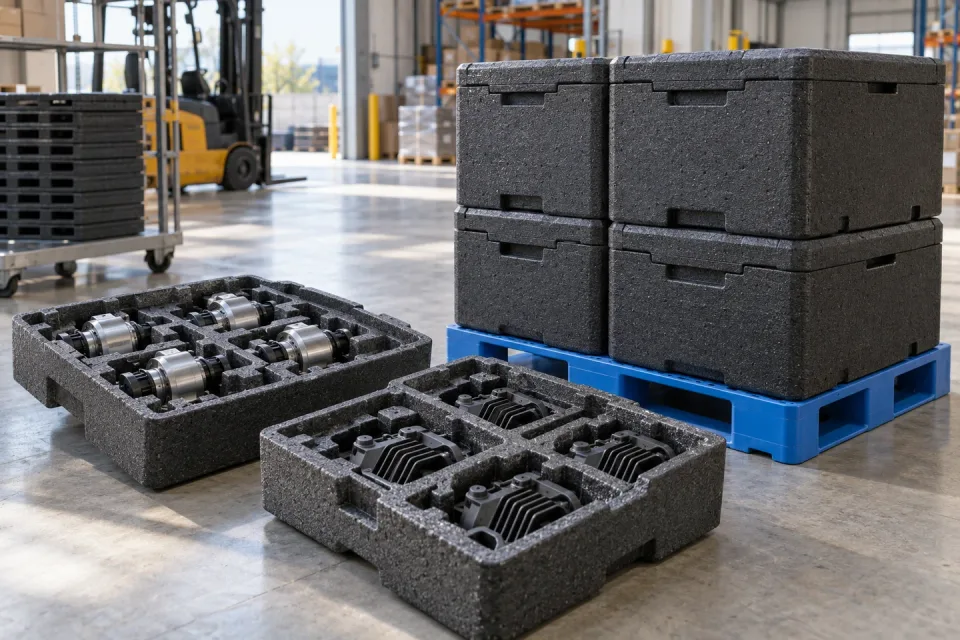
THE RETURN JOURNEY
A journey that comes full circle.
Explore each step to see what belongs in your packaging brief.
 Pack & protect
STEP 01 / 04
Start with the part inside.
Shape the pack around the product, its contact surfaces and the way operators load it. Plan protection and handling together, from the first shipment onwards.
Questions for your brief
- Which surfaces need support or clearance?
- How will operators load, lift and stack the pack?
- What handling conditions belong in the test plan?
Deliver & unloadSTEP 02 / 04
Design for the receiving end.
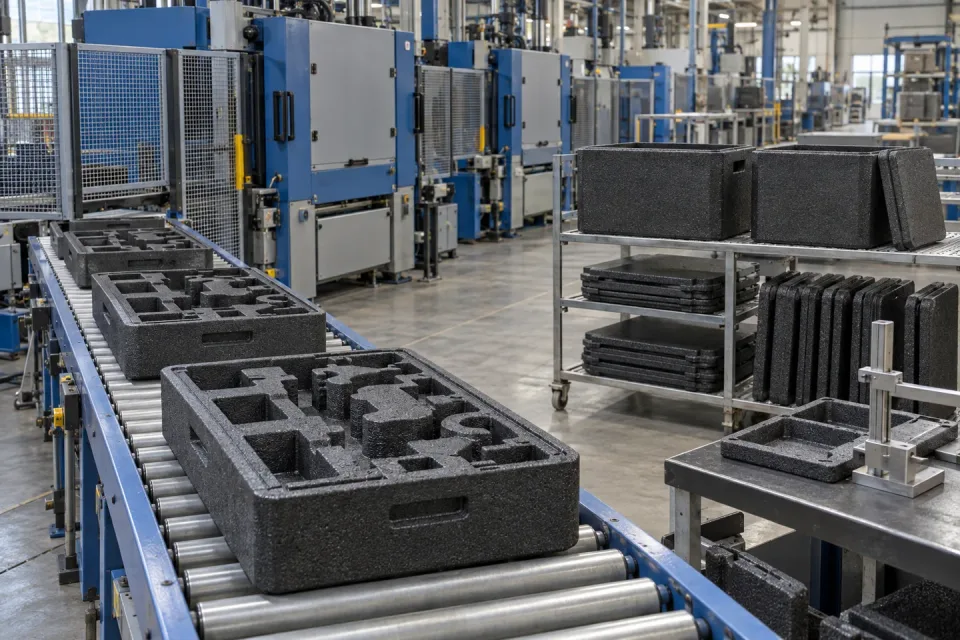
Consider how a loaded pack moves through delivery and unloading. Clear access, practical handling and a place for empty packaging all belong in the brief.
Questions for your brief
- Who receives and opens the shipment?
- How is the product removed without damaging the pack?
- Where are empty packs kept after unloading?
 Collect & return
STEP 03 / 04
Give empties a route home.
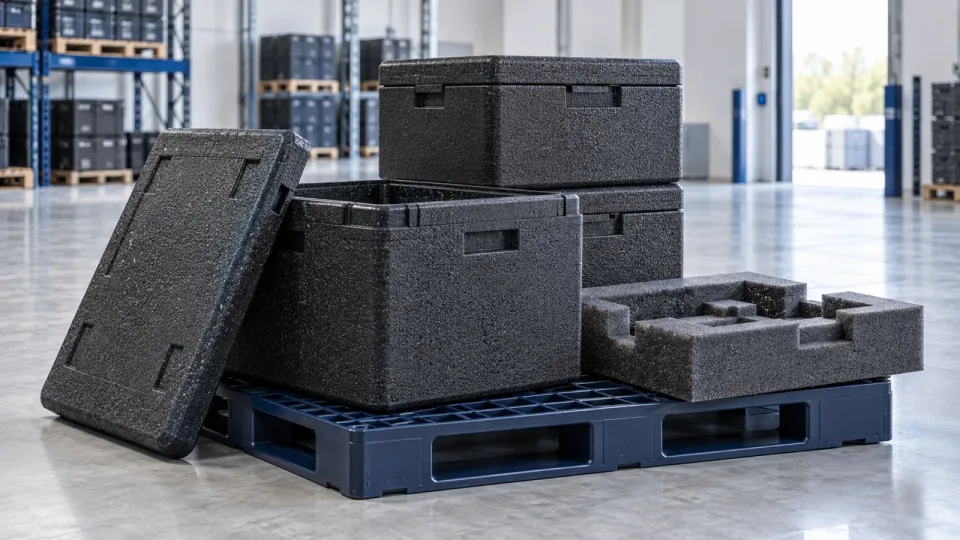
Agree who collects the packaging, where it waits and how it travels back. Plan the return route alongside the outbound delivery, including any loose components.
Questions for your brief
- Who owns collection and return transport?
- How much storage space do empty packs need?
- How are packs, lids and inserts kept together?
 Inspect & reuse
STEP 04 / 04
Make every return a checkpoint.
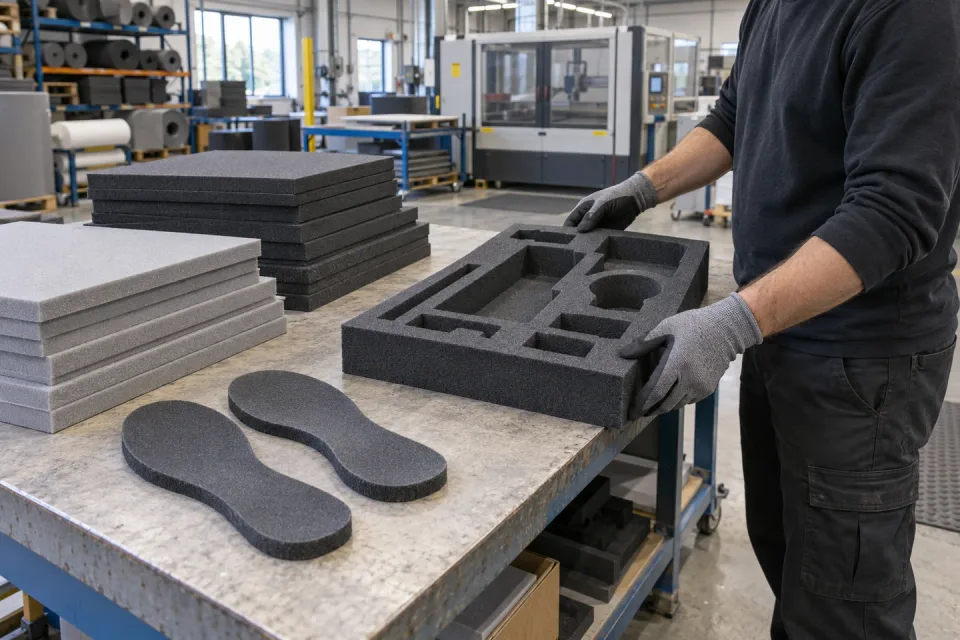
Define cleaning and inspection criteria before introducing the pack. Record actual reuse, damage and missing parts so decisions reflect the conditions of your own operation.
Questions for your brief
- Which cleaning method and checks will be used?
- What damage makes a pack unsuitable for reuse?
- How will reuse, loss and replacement be recorded?
DESIGNED AROUND REPEATED USE
Think beyond the first delivery.
- 01
Build the return loop
Identify who collects the packaging, where it is stored and how empties travel. Folding or nesting can help, but only when operators can use the feature reliably.
- 02
Understand repeated use
Consider abrasion, impact, cleaning chemicals and missing components. Choose inspection criteria that tell operators when to repair or retire a container.
- 03
Measure the operating system
Track loss rate, actual reuse cycles and transport requirements. Use these observations before making environmental or cost claims.
START WITH YOUR ROUTE
Bring the product.
Map the journey.
Give PARK a clear picture of what the pack will carry and how it will come back.
- The product
- Dimensions, weight and the surfaces that need protection.
- The route
- Delivery points, return ownership and storage between trips.
- The routine
- Handling, cleaning and checks before the next use.